Hi! Welcome to Alewife Acres 🙂
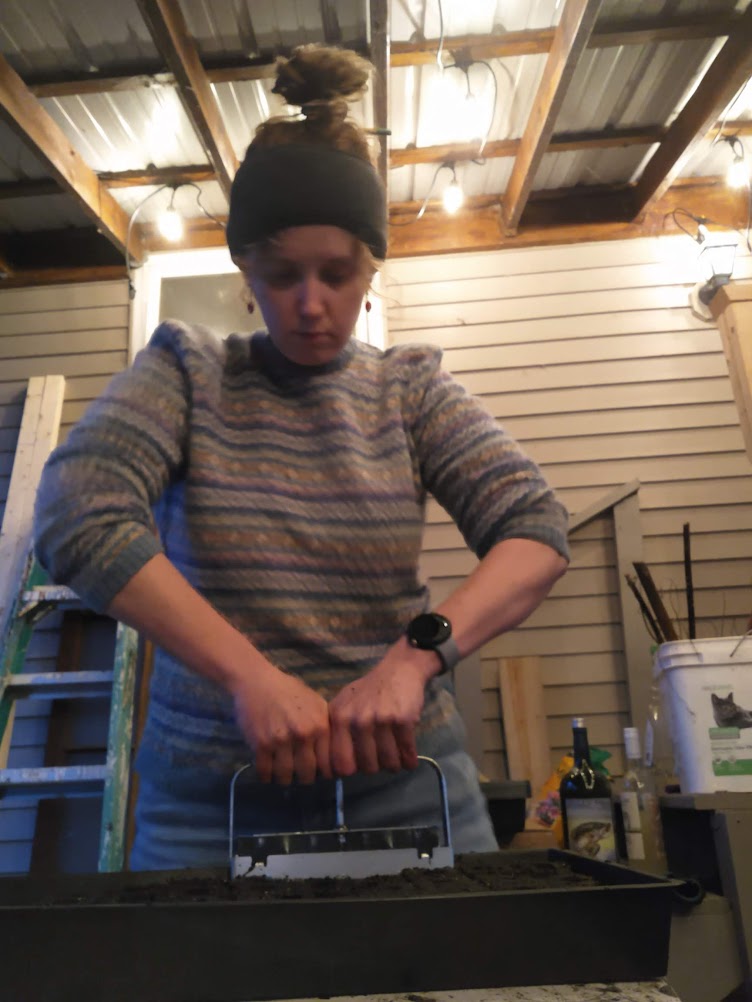
I’m Jess, the farmer behind Alewife Acres. I’ve lived in Cape Vincent full time for six years now, but have been in the area for over a decade at this point. I’ve been growing plants in some capacity or another since I was a tiny tot, whether it was tiny pots in dorm windows, in a little square of a backyard garden, on my deck when I had no yard to speak of, and now in my own backyard in the Cape and a larger plot south of here in Chaumont.
My general ethos to farming is to put in more than I take out. My goal is to provide northwestern Jefferson County with fresh, no spray veggies and beautiful cut flowers to feed both the body and mind. I try to limit my use of plastics where possible (no plastic mulch here!), keep my inputs as local as possible, and to avoid use of nasty chemical sprays (pesticides/herbicides).
I aim to be locally and seasonally focused in my production – if it’s out of season, it’s not going to be available! I am also committed to transparency: all produce, imagery, and artwork I share is grown or created by me, unless otherwise labeled. No AI, no LLMs, no artificially generated nonsense. What you see was brought to you by a real, live human! 🙂
If you have any questions about my growing practices, don’t hesitate to reach out!
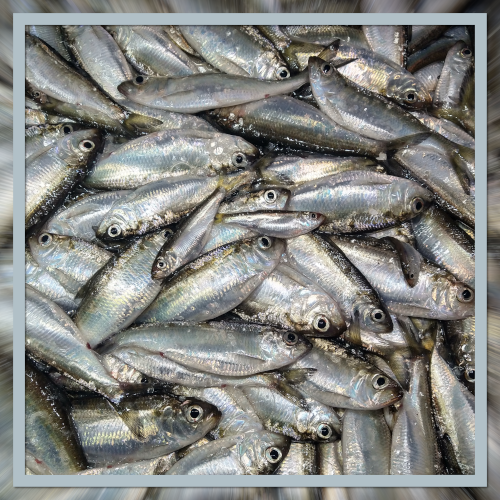
What is an alewife, anyway?
The alewife, Alosa pseudoharengus, is an important part of the Lake Ontario aquatic ecosystem. Thought to have been introduced to the lake in the mid- to late 1800s, the alewife has become the primary prey fish supporting the Lake Ontario sport fish populations. Native to tidal estuaries along the East Coast, the alewife has moved inland, thanks to human help and the creation of canals crisscrossing New York State. This silvery, saw-bellied fish sustains the walleye, salmon, and trout inhabiting the lake and local bays, and keeps the food chain of Lake Ontario moving.
I chose the name Alewife Acres because of my background in Marine Science and Fisheries, paying tribute to one of the first fish I worked with out of college, because I also originate from an East Coast river that flows into the ocean and because I have steadily moved inland to the Great Lakes over the last 15 or so years.
While a lot of the food we eat, flowers we grow, and plants we appreciate are also not native to the land we live on, we can appreciate their role in our lives and become more aware of the ecosystems around us.